
Programmes and Projects

Transitional Justice
Strengthening Parliamentary Engagement in Transitional Justice
(Canada Fund for Local Initiatives – CFLI)
ACT implemented a targeted initiative to enhance the legislative and oversight capacity of Members of Parliament (MPs) and to strengthen civil society engagement with parliamentary processes in Ethiopia’s emerging transitional justice framework.
Key achievements include:
Development of a Parliamentary Resource Book on Transitional Justice to support MPs in understanding their roles in legislating and overseeing transitional justice mechanisms;
Preparation of a CSO–Parliament Engagement Training Manual;
Delivery of capacity-building training for civil society organisations, with a strong focus on women and youth participation;
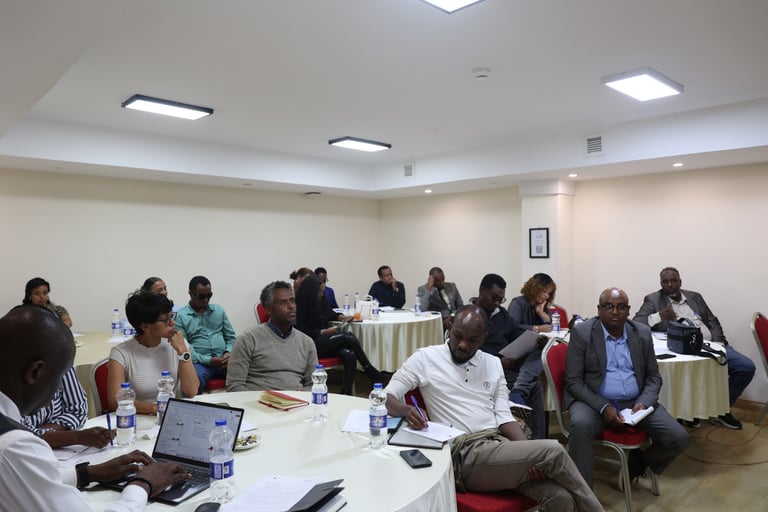
Facilitation of a validation workshop with Members of Parliament, which generated strong institutional engagement and demand for expanded training;
Support to structured dialogue between Parliament and civil society actors on transitional justice.
The programme significantly contributed to strengthening parliamentary ownership of transitional justice processes and enhancing inclusive participation in legislative reform.


Transitional Justice
CSOs Mapping and Categorisation
(in-collaboration with the Ethiopian Human Rights Commission – EHRC)
ACT conducts a comprehensive mapping and categorisation of civil society organisations engaged in transitional justice across Ethiopia. The project aimed to address fragmentation within the civil society landscape and to support more coordinated and effective engagement in transitional justice processes.
Key outputs will includ:
Identification and categorisation of CSOs based on thematic expertise (e.g., accountability, truth-seeking, reparations, institutional reform, and traditional justice);
Geographic mapping of CSO presence across conflict-affected regions;
Analysis of capacity gaps and training needs among CSOs;
Development of a framework for structured engagement of CSOs in transitional justice processes.
The initiative provided an evidence base for future capacity-building programmes and contributed to strengthening coordination among civil society actors and between CSOs and state institutions.
Traditional Justice Mechanisms
Customary Courts Observer Initiative
(ACT Initiative under MoU with the Ministry of Justice – Non-Donor Funded)
As part of its strategic partnership with the Ministry of Justice, ACT initiated the Customary Courts Observer Programme, an independent initiative aimed at strengthening oversight, accountability, and human rights compliance within Ethiopia’s customary justice systems.
This initiative, implemented without direct donor funding, reflects ACT’s commitment to bridging formal and informal justice mechanisms and supporting ongoing legal and institutional reforms.
Key objectives include:
Establishing a structured system for monitoring and documenting proceedings in customary courts;
Assessing compliance with human rights standards, including due process, non-discrimination, and protection of vulnerable groups;
Identifying best practices and challenges across different regions;
Supporting policy dialogue on the integration of customary justice mechanisms into formal justice and transitional justice frameworks.
Provide standardised capacity building trainings
The initiative complements broader national efforts to reform and regulate customary courts and contributes to ensuring that these widely used justice mechanisms operate in line with access to justice, “do no harm,” complementarity, and human rights principles


Strengthening Civil Society Resilience to Transnational Organised Crime
(Resilience Fund Project)
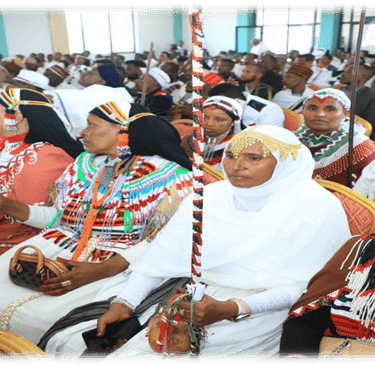
ACT implemented a multi-regional programme aimed at building the resilience of civil society organisations (CSOs) in preventing and responding to transnational organised crime (TOC) in Ethiopia. The initiative focused on key TOC manifestations, including human trafficking, migrant smuggling, illicit financial flows, and cross-border criminal networks.
Key components included:
Mapping and identification of CSOs operating in TOC-affected regions;
Capacity-building workshops for CSOs on prevention, monitoring, and response strategies;
Development of training modules and tools to strengthen civil society engagement in criminal justice and governance processes;
Promotion of collaboration between CSOs, local authorities, and law enforcement actors.
The programme contributed to shifting CSO engagement from predominantly humanitarian responses toward more structured prevention and accountability-oriented approaches, grounded in resilience theory and community-based interventions.